Why Nonprofit Strategies Fail in Practice and What Atomic Habits Can Teach Us About Fixing Them
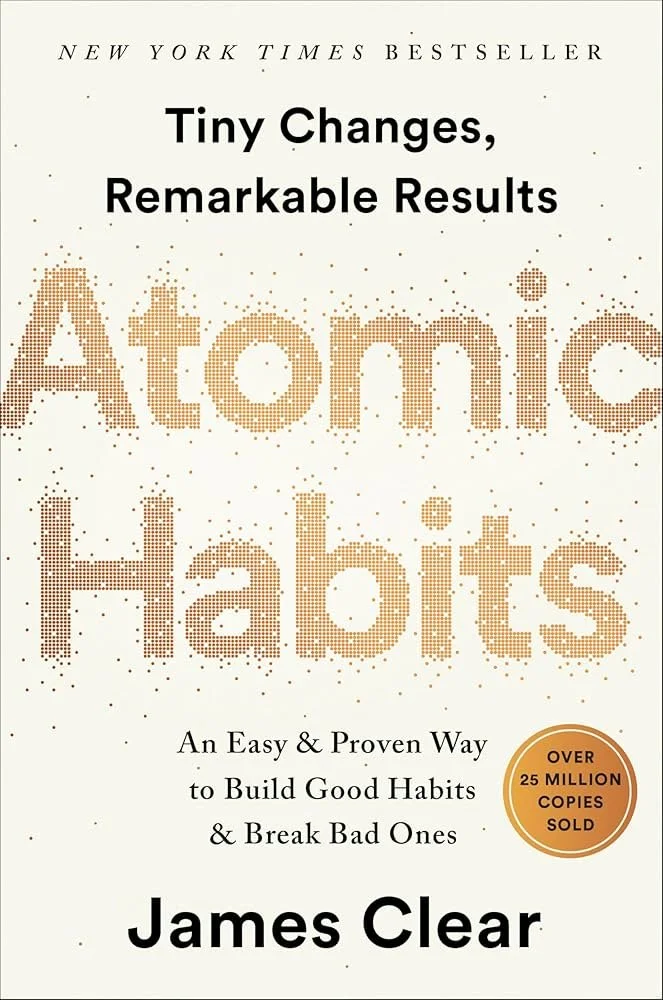
James Clear’s Atomic Habits is often described as a book about personal improvement, but its lessons translate powerfully to organizational change. In nonprofits especially, strategies fail less because of bad ideas and more because daily behaviors never shift in meaningful or sustained ways.
Clear’s core insight is simple but profound: outcomes are the result of systems, and systems are built from habits. When nonprofit strategies stall, it is usually because the habits required to support them were never intentionally designed.
Here is how Atomic Habits helps explain three common nonprofit strategy failure points and how to address them.
1. Big goals without small habits create overwhelm
Nonprofit strategic plans often aim high, as they should. Increase impact. Diversify revenue. Center equity. Strengthen governance. The problem is not ambition. The problem is jumping straight to outcomes without redesigning the behaviors needed to get there.
Clear argues that focusing solely on goals is a mistake. Goals define direction, but habits determine progress.
Atomic Habits lens: Break strategy into behavior change.
Instead of asking “Did we hit the goal,” ask “What habits must exist for this goal to become inevitable?”
Translate strategic priorities into repeatable actions:
Weekly donor outreach blocks on calendars, not just an annual fundraising goal
Standing agenda items for equity review in program planning
Monthly dashboard reviews tied directly to strategic metrics
When strategy lives only at the goal level, it feels heavy and abstract. When it lives in habits, it becomes manageable and durable.
2. Momentum fades because habits never take root
After a strategic planning process, energy is usually high. Then reality sets in. Meetings revert to old agendas. Decisions default to old patterns. Strategy becomes “extra” instead of embedded.
Clear emphasizes that habits form through consistency, not intensity. One retreat will never outweigh months of unchanged routines.
Atomic Habits lens: Embed strategy into existing rhythms.
Attach new strategic behaviors to existing habits:
Start leadership meetings with one strategic question
End board meetings with a five minute strategy alignment check
Reduce friction for strategic behaviors:
Pre schedule strategy check ins for the year
Create templates and dashboards that make progress visible
Increase friction for non strategic work:
Require a short strategy alignment note for new initiatives
Pause legacy activities that do not clearly support priorities
Momentum fades when strategy is optional. Habits make it automatic.
3. Budgets reflect old habits, not new priorities
One of Clear’s most important ideas is that people do not rise to the level of their goals. They fall to the level of their systems. In nonprofits, the budget is the most powerful system of all.
If your budget looks mostly like last year’s, your habits have not changed. And neither will your results.
Atomic Habits lens: Use the budget to reinforce new behaviors.
Fund habits, not just outcomes:
Allocate money for donor travel, not just revenue targets
Budget for community engagement time, not just program delivery
Shift resources gradually but consistently:
Small, repeated reallocations compound over time
Pilot funding should have a clear path to becoming core if aligned with strategy
Make trade offs visible:
Every dollar spent reinforces a habit
Ask “What habit does this line item encourage?”
Budgets do not just fund work. They train organizations what to repeat.
Identity based strategy: The missing link
Clear’s most powerful concept may be identity based habits. People stick with habits when they see them as part of who they are, not just what they do.
This applies directly to nonprofits.
“We are an organization that builds long term donor relationships.”
“We are an organization that centers community voice.”
“We are an organization that uses data to guide decisions.”
When strategy reinforces identity, behavior change sticks. When it does not, people revert under pressure.
Conclusion
Atomic Habits reminds nonprofits that transformation rarely comes from bold declarations alone. It comes from small, intentional changes in behavior that compound over time.
Strategies fail when they remain aspirational. They succeed when they are translated into habits that shape meetings, calendars, budgets, and decisions.
If nonprofits want their strategies to achieve all they can, the question is not “Is our plan good enough?” It is “What habits are we building every day that make success inevitable?”